Mold Removal
Targeted removal for affected building materials and surfaces, with controlled work practices and cleanup so the area is ready for repair.
Serving New Orleans, Louisiana & surrounding areas
New Orleans homes and businesses
Stop mold at the source with careful inspection, proper containment, and thorough cleanup that protects your home, your business, and your indoor air.
A controlled plan, not a quick spray
When you see staining on drywall, smell a musty odor, or notice allergy symptoms that get worse indoors, the right next step is a remediation plan, not a quick spray. New Orleans mold remediation should include finding the moisture source, isolating the work area, removing contaminated materials when needed, and cleaning remaining surfaces so the space can be safely rebuilt and used.
At mold remediation new orleans, we focus on practical, jobsite-ready work: clear scopes, controlled demolition when required, careful cleaning, and the kind of containment you want in an occupied home or an active commercial space. You get straight answers about what is affected, what can be cleaned, what must be removed, and what needs to change so the mold does not come back.
Connected mold and moisture services
Targeted removal for affected building materials and surfaces, with controlled work practices and cleanup so the area is ready for repair.
Drying, moisture checks, and cleanup after leaks or flooding so materials dry correctly and you can plan next steps with confidence.
Air and surface sampling options to help identify what is present and where to focus remediation efforts in the building.
Professional remediation standards
Mold keeps returning when the water problem stays. We look for active leaks, wet building materials, and humidity-driven condensation so remediation is paired with the fix that actually stops regrowth.
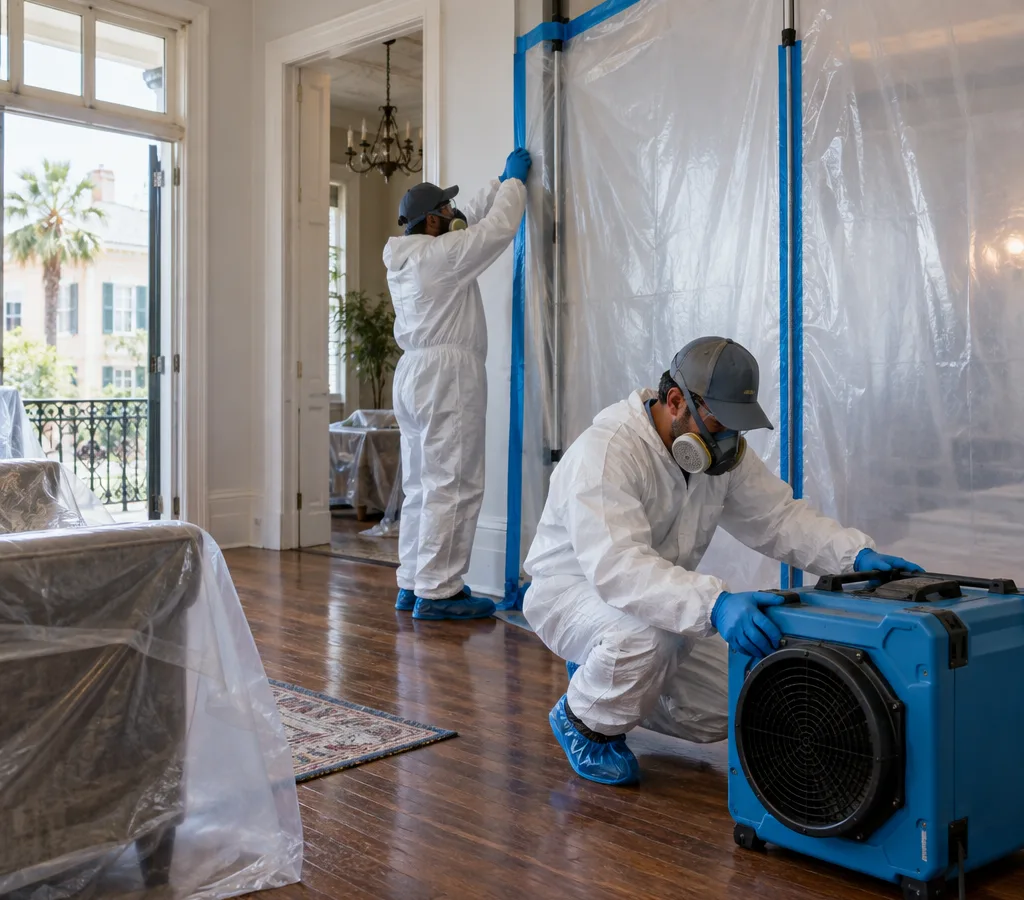
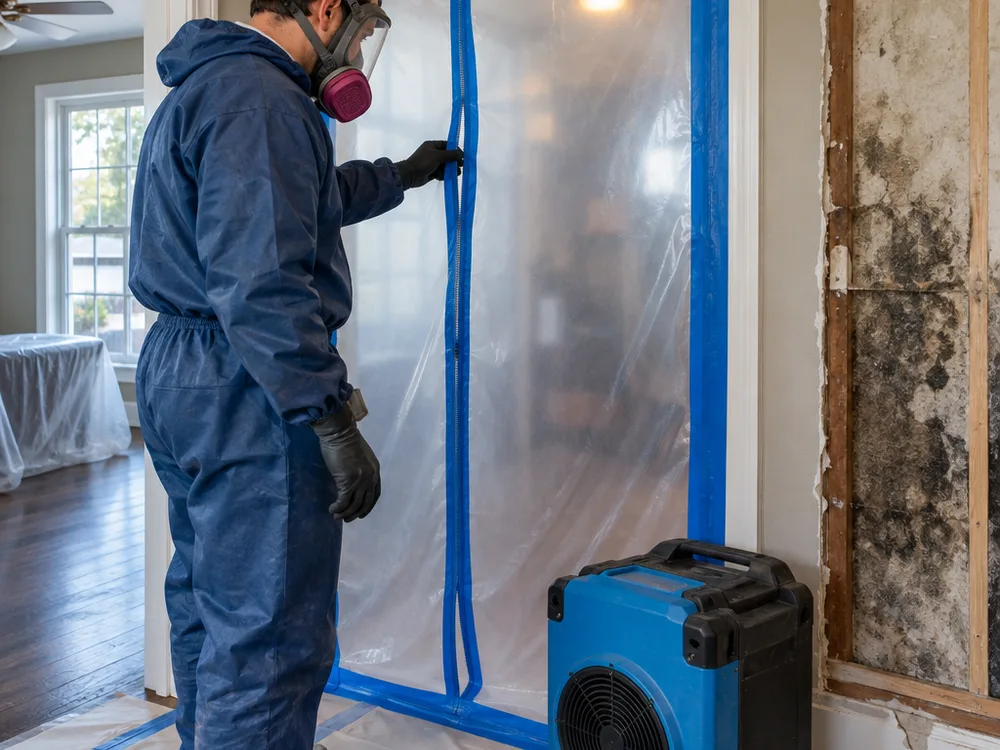
We isolate the work zone with plastic, sealed registers, and controlled entry points when needed. That limits cross-contamination into adjacent rooms, hallways, and return air pathways.
Air movement is controlled with HEPA-filtered equipment so disturbed particles are captured instead of spreading. This matters most during material removal, cleaning, and detailed wipe-downs.
Some materials can be cleaned. Others, like water-damaged porous items, often cannot. We explain what is salvageable, what is not, and what rebuilding or finish repairs may be required afterward.
You receive a written scope that matches what we see on site, including what areas are included, what materials are involved, and what conditions would change the plan once surfaces are opened.
Many New Orleans properties stay lived-in or in use during work. We plan access, staging, and cleanup with attention to foot traffic, pets, and sensitive areas like kitchens and HVAC returns.
mold remediation new orleans provides mold remediation services across New Orleans, Louisiana.
Methodical local work
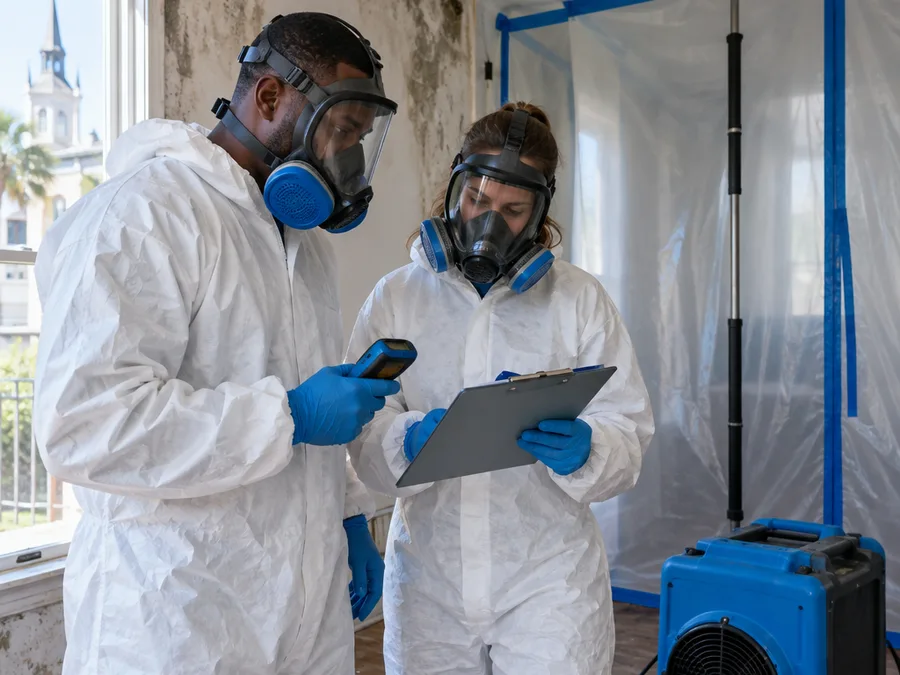
Our team approaches mold work the way it should be done: methodical, contained, and based on what the building is telling you. That starts with listening to what you have noticed (odor, visible growth, recent leaks, past flooding), then confirming moisture conditions and where mold is likely hiding.
Typical projects include bathrooms with repeated condensation, kitchens with sink or dishwasher leaks, HVAC closets with sweating lines, and older walls or ceilings that stayed damp after a storm event. If materials need to come out, we keep the work area controlled, remove debris carefully, and clean remaining structural surfaces so repairs can move forward. If you need coordination with testing or property documentation, we can support that as part of the plan.
Planning the scope
Most New Orleans mold remediation projects typically range from about $1,500 to $6,000, with small, contained areas often closer to $1,000 to $2,500 and larger, multi-room or HVAC-involved work commonly $6,000 to $12,000+.
Final cost depends on the size of the affected area, how much material must be removed, access (tight attics, crawlspaces), how much containment and filtration is required, and whether moisture damage is still active. The exact scope and price are confirmed after an on-site inspection.
From inspection to guidance
We walk the affected areas, look for the water source, take moisture readings, and discuss building history like past leaks, roof issues, or recent renovations that changed airflow.
You get a clear scope of work, then we set containment appropriate to the site, protect nearby contents, and establish equipment placement for safe airflow control.
Contaminated materials are removed when needed, remaining surfaces are HEPA vacuumed and wiped, and dust and debris are controlled throughout the work day, not just at the end.
We clean the work zone, review what was done, and outline what should happen next, such as drying targets, rebuild items, and practical humidity control to reduce recurrence.
If you suspect mold, get a written scope and a clear plan before any walls are opened or materials are thrown away.
Call for Emergency HelpNew Orleans coverage
We provide mold remediation throughout New Orleans, with work planned around local building styles, moisture patterns, and access constraints.
Older homes with crawlspaces, plaster walls, and shaded lots can hide moisture and growth under flooring, behind baseboards, or in back additions.
Raised basements, roof leak history, and mixed construction types often mean mold shows up after water intrusion around windows, chimneys, or exterior penetrations.
Properties near the lake can face persistent humidity and post-storm water concerns, so remediation plans often include careful drying verification and HVAC area attention.
Slab and raised foundation homes here can develop mold after plumbing leaks or long-term drainage issues, especially when damage stayed wet behind finishes.
Historic buildings and shared walls require tight containment, controlled debris handling, and careful coordination so work does not impact neighboring units.
Customer experience
“They explained what was actually causing the moisture, set up containment that kept dust out of the rest of the house, and the work area was left clean at the end of each day.”
Tanya R.
“The scope was easy to follow and matched what they found once the wall was opened. No confusing change orders, just clear updates when they ran into hidden damage.”
“We needed the job done while the business stayed open. They planned access, kept equipment out of the way, and finished with documentation we could share with our property manager.”
Clear answers before work begins
Start times depend on current workload and the size of the affected area, but urgent situations like active leaks or strong odor complaints are prioritized. After a quick intake, we schedule an inspection to confirm scope and the right containment level.
Many projects can be completed while you stay elsewhere in the home, as long as the work area can be isolated and there is a clear path for equipment and debris. For larger jobs or work involving bedrooms or HVAC systems, temporary relocation may be recommended.
Yes, remediation often requires opening wall cavities, removing wet insulation, or pulling affected flooring to reach hidden growth. We explain what needs to be opened, what will be protected, and what repairs may be required after cleanup.
Odor typically improves when contaminated materials are removed, surfaces are cleaned, and the moisture source is corrected. If odor remains, it often points to a missed damp area, dirty HVAC components, or materials that stayed wet and need further evaluation.
Yes, we can provide a written scope and job notes that outline affected areas, containment approach, and what was removed or cleaned. For insurance-related claims, we coordinate around what documentation is needed without slowing down necessary safety work.
Keep the area as undisturbed as possible and avoid running fans that blow air from the affected space into other rooms. If it is safe, stop the water source and limit access to the area until the inspection is completed.
Take the next step
Tell us what you are seeing and where it is showing up. We will review the situation, inspect the affected areas, and provide a clear scope so you can move forward with the right remediation plan.